How to Prepare Rural Property for a New Homesite
Building on rural land is different
Building a new home on rural property is not the same as picking a subdivision lot with everything already in. Access, drainage, and pad location are all decisions you have to make — and the order you make them in matters.
Step 1: Walk the property with a purpose
Before you cut a single tree, walk the land with the actual house in mind. Where does the sun rise? Where does the water run when it rains? Where can a driveway reasonably come in from the road?
A good dirt contractor should walk it with you and point out things you didn't think about — like the low spot behind where you wanted the shop.
Step 2: Plan the driveway before you clear
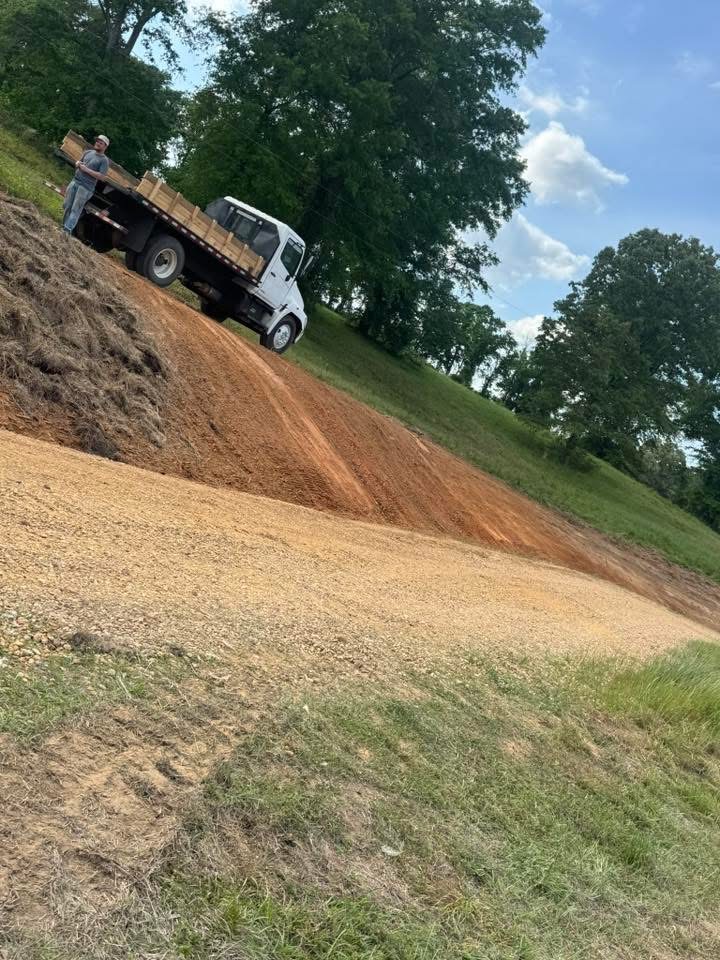
Driveway routing usually dictates where clearing needs to happen and how the pad gets accessed. Getting this wrong means you build a beautiful pad and then can't get concrete trucks to it.
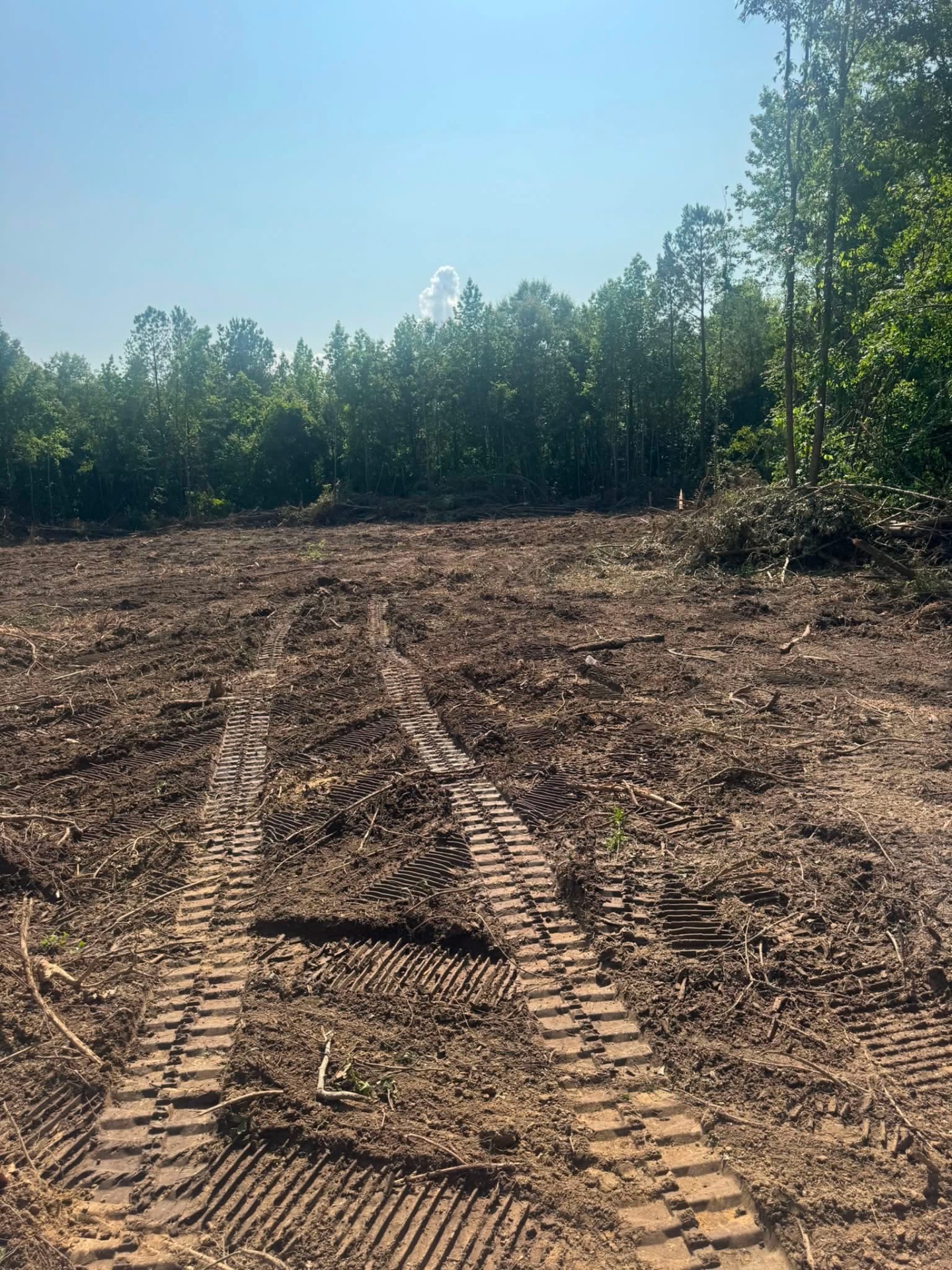
Step 3: Clear only what you need to
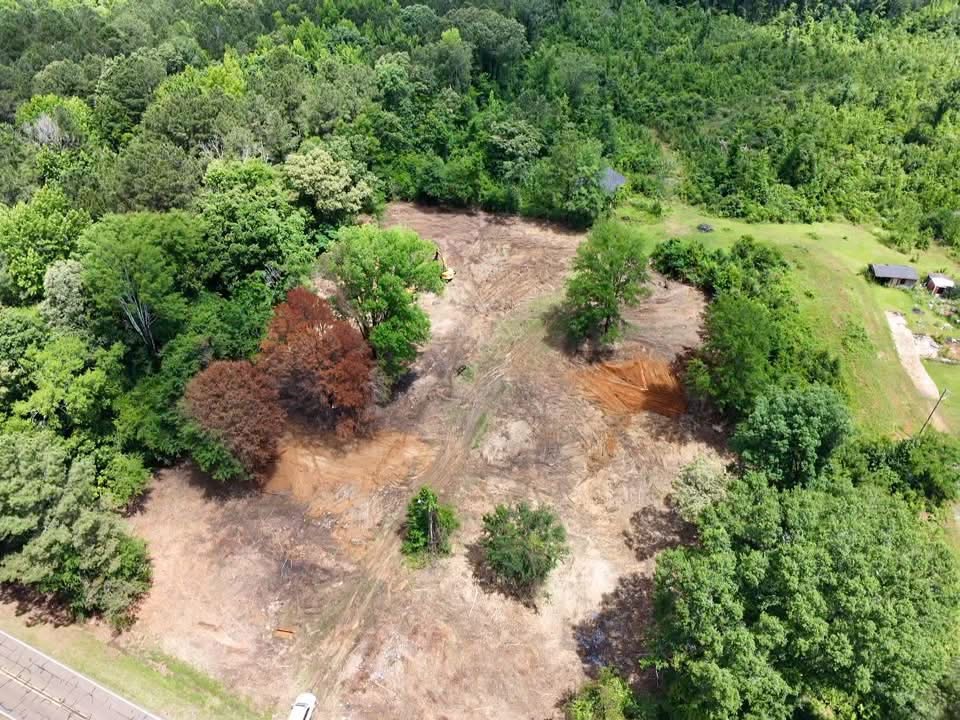
Trees are hard to replace. Clear the footprint, the driveway corridor, and enough working room around the pad — but you don't have to strip the whole property to build a house. A good clearing plan protects the trees you actually want to keep.
Step 4: Build the pad right
The pad is what your builder will remember you by. Cut, fill, and compact to the elevation the builder wants, shape drainage away from all four sides, and don't skimp on the sub-base.
- Set finished pad elevation with the builder before you cut
- Compact in lifts, not one big dump
- Slope the surrounding grade away from the pad on all sides
- Confirm the pad is square, level, and to plan before releasing to the slab crew
Step 5: Fix drainage now, not later
Drainage problems get exponentially harder to fix after a house is on the ground. Ditches, swales, and culverts are much cheaper to install as part of the dirt work than as a retrofit.
Do it all with one contractor
Clearing, driveway, pad, and drainage are naturally one job. Splitting it across multiple contractors usually costs more and creates schedule conflicts. Harper's handles all of it as one mobilization.